










Tuberculosis (TB) is a serious infectious disease that primarily affects the lungs but can spread to other parts of the body such as the kidneys, spine, and brain. It is caused by a type of bacteria that spreads through the air when an infected person coughs, sneezes, or talks. Despite medical advancements, TB remains one of the world’s leading infectious killers.
What Is Tuberculosis?
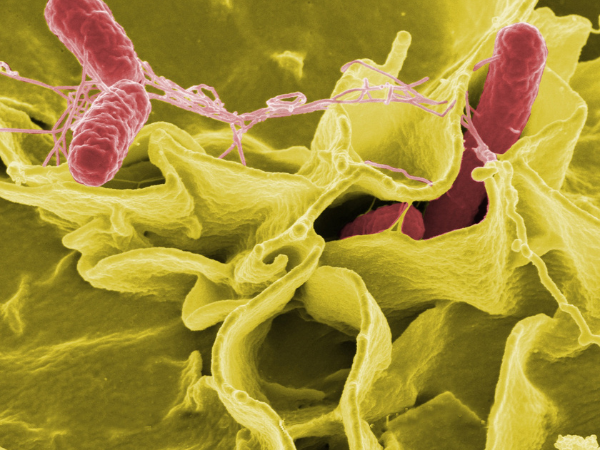
Tuberculosis is caused by Mycobacterium tuberculosis, a slow-growing bacterium that thrives in areas with poor ventilation and weak public health systems. It develops gradually and can remain dormant in the body for years before becoming active when immunity weakens.
Common Symptoms
- Persistent cough lasting more than three weeks
- Chest pain and difficulty breathing
- Coughing up mucus or blood
- Night sweats and fever
- Unexplained weight loss
- Fatigue and weakness
- Loss of appetite
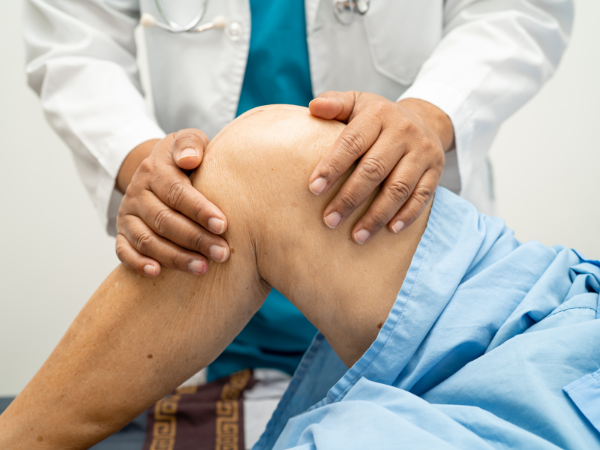
TB can also affect other organs, leading to joint pain, abdominal swelling, or neurological symptoms depending on where the infection spreads.

Causes and Risk Factors
Tuberculosis spreads through airborne droplets from an infected person. People living in crowded conditions, with poor nutrition, or with weakened immune systems are more likely to contract the disease. Stress, smoking, and chronic illnesses can also increase vulnerability.
Side Effects and Complications
If left untreated, TB can cause severe lung damage, respiratory failure, and the spread of infection to other organs. Chronic fatigue, weakness, and weight loss can persist long after treatment. In some cases, TB may lead to permanent scarring of lung tissue, reducing breathing capacity.
Living with Tuberculosis
Managing TB requires rest, proper nutrition, and a strong immune system. Maintaining clean air, avoiding smoking, and getting regular check-ups are important for recovery and prevention. Supporting mental health and reducing stress also aid in faster healing and overall well-being.
Final Thought
Tuberculosis serves as a powerful reminder of the importance of early detection, hygiene, and public health awareness. Though it remains a global challenge, education and preventive measures can significantly reduce its spread. A strong, healthy lifestyle plays a key role in protecting oneself and others from this persistent disease.