















Migraine is a complex neurological condition that causes intense, throbbing headaches often accompanied by other symptoms such as nausea, sensitivity to light, and visual disturbances. Unlike ordinary headaches, migraines can last for hours or even days, severely affecting a person’s ability to function. For some, migraines are occasional; for others, they occur frequently, disrupting both personal and professional life. Understanding the triggers and lifestyle factors that contribute to migraine attacks can help in reducing their frequency and intensity.
Causes of Migraine
The exact cause of migraine remains unclear, but researchers believe it results from abnormal brain activity affecting nerve signals, blood vessels, and chemicals in the brain. Several triggers may bring on migraine episodes, including:
- Hormonal changes: Fluctuations during menstruation or pregnancy.
- Stress: Emotional or physical stress often precedes an attack.
- Dietary factors: Skipping meals, dehydration, or certain foods like chocolate and caffeine.
- Sleep disturbances: Too little or too much sleep can act as a trigger.
- Sensory overload: Bright lights, loud noises, or strong odors.
- Weather changes: Shifts in temperature or humidity.
Genetics also play an important role — people with a family history of migraine are more likely to experience it.
Symptoms of Migraine
Migraine symptoms typically occur in phases.
- Prodrome: Early warning signs such as mood changes, neck stiffness, or food cravings.
- Aura (in some cases): Visual disturbances like flashing lights, zigzag lines, or temporary vision loss.
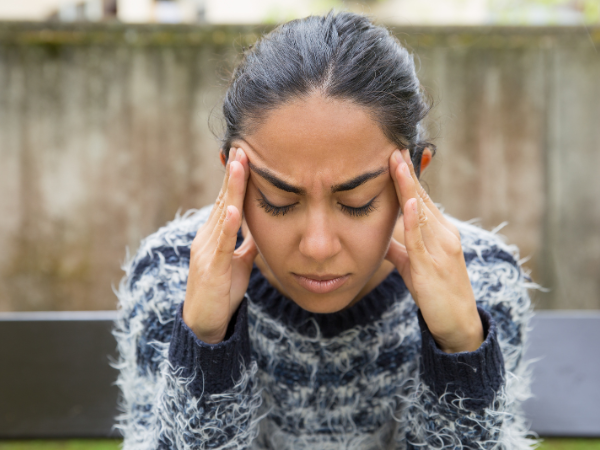
- Headache phase: Intense, throbbing pain, often on one side of the head, lasting from 4 to 72 hours.
- Postdrome: Fatigue, confusion, or sensitivity after the headache subsides.
Accompanying symptoms may include nausea, vomiting, and sensitivity to light or sound. Some people may experience dizziness or blurred vision during attacks.


Complications and Side Effects
Frequent migraines can significantly affect mental and physical well-being. Chronic pain may lead to anxiety, depression, and difficulty concentrating. Repeated attacks can interfere with sleep quality and productivity. In severe cases, migraines can trigger other neurological issues such as persistent aura or sensory disturbances. The emotional stress caused by ongoing migraines can also weaken social relationships and overall quality of life.
Prevention and Lifestyle Tips
While there is no guaranteed way to prevent migraines completely, certain strategies can help reduce their frequency and severity.
- Identify triggers: Keep a diary to note foods, activities, or stressors that precede attacks.
- Maintain a regular routine: Eat and sleep at consistent times.
- Stay hydrated: Dehydration is a common trigger.
- Manage stress: Meditation, deep breathing, or light yoga can help relax the mind.
- Avoid excessive caffeine and processed foods.
- Ensure proper rest: Quality sleep is crucial for brain health.
Final Thoughts
Migraine is not just a headache — it’s a neurological disorder that requires awareness and self-care. Recognizing triggers, maintaining a healthy lifestyle, and creating a calm, structured daily routine can make a significant difference. With the right habits and understanding, people living with migraines can regain control and lead more balanced, pain-free lives.