

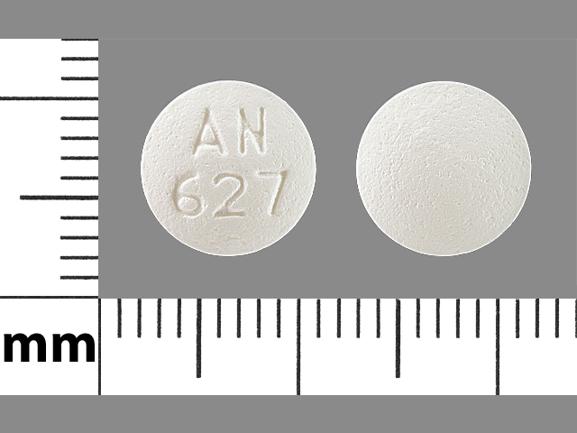

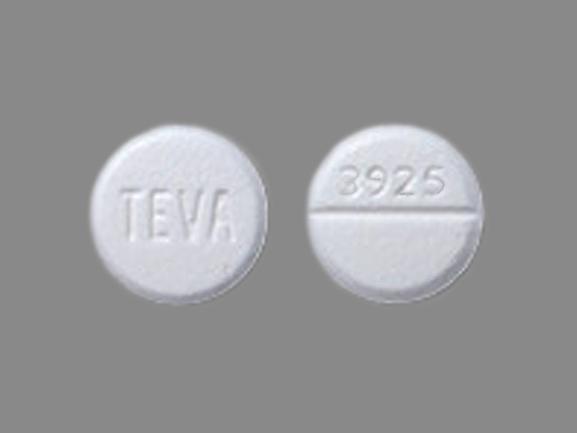





Depression is a serious mental health condition that affects how a person feels, thinks, and behaves. It goes far beyond temporary sadness or emotional distress and can significantly interfere with daily life. People suffering from depression may lose interest in activities they once enjoyed, struggle to complete daily tasks, or feel hopeless about the future. It can affect anyone — regardless of age, gender, or background — and often develops gradually, making it difficult to notice in the early stages.
Causes of Depression
Depression doesn’t have a single cause; rather, it arises from a mix of biological, psychological, and environmental factors.
- Genetic factors: A family history of depression increases the risk.
- Chemical imbalance: Changes in neurotransmitters, the brain chemicals responsible for mood regulation, can contribute to depressive symptoms.
- Trauma or stress: Emotional pain, loss of a loved one, financial hardship, or relationship issues can trigger depression.
- Hormonal changes: Events such as pregnancy, childbirth, or menopause may alter hormone levels and mood.
- Lifestyle factors: Poor diet, lack of sleep, social isolation, or substance misuse can worsen mental health.
Each person’s experience is unique — what triggers depression in one person may not affect another in the same way.
Symptoms of Depression
Depression can show itself through both emotional and physical symptoms. Common signs include:
- Persistent sadness, emptiness, or hopelessness
- Loss of interest in hobbies or social activities
- Changes in appetite or weight
- Difficulty sleeping or excessive sleeping
- Fatigue or low energy
- Difficulty concentrating or making decisions
- Feelings of guilt or worthlessness
- Withdrawal from friends and family
These symptoms must persist for weeks or months to be considered clinical depression, not just a temporary low mood.


Complications and Side Effects
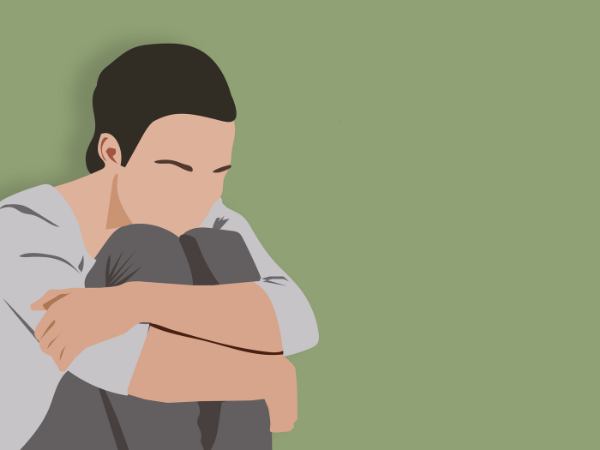
If depression remains untreated, it can affect every part of a person’s life. It may lead to chronic fatigue, weakened immunity, and difficulty maintaining relationships or work performance. Over time, it increases the risk of developing other mental health conditions, such as anxiety or substance abuse. Severe depression may cause individuals to feel trapped or detached from reality, making professional help essential. The emotional strain can also manifest physically, contributing to headaches, body pain, or digestive problems.
Prevention and Lifestyle Tips
While depression cannot always be prevented, certain lifestyle adjustments can help build mental resilience and reduce risk.
- Stay connected: Maintain relationships with friends and loved ones for emotional support.
- Exercise regularly: Physical activity boosts mood by releasing endorphins.
- Maintain a balanced diet: Nutritious foods help stabilize energy and brain function.
- Set realistic goals: Small achievements help restore confidence.
- Get enough rest: Quality sleep supports emotional balance.
- Seek positivity: Engage in activities that promote joy and relaxation.
Mindfulness practices such as meditation, journaling, and spending time in nature can also promote calmness and self-awareness.
Final Thoughts
Depression is a complex but treatable condition. Recognizing the signs early and addressing emotional well-being can make recovery easier. A supportive environment, healthy habits, and self-awareness play crucial roles in managing mood and mental health. Remember — taking care of the mind is just as important as taking care of the body, and small steps each day can lead to lasting emotional strength.