











COVID-19 is a contagious respiratory illness caused by a novel coronavirus that emerged in late 2019. It spread rapidly across the world, affecting millions and reshaping global health systems and lifestyles. The disease primarily attacks the respiratory system but can impact multiple organs in severe cases.
What Is COVID-19?
COVID-19 (Coronavirus Disease 2019) is caused by the SARS-CoV-2 virus. It spreads mainly through respiratory droplets when an infected person coughs, sneezes, or talks. The virus can also survive on surfaces for a short time, making indirect contact a possible transmission route.
Common Symptoms
- Fever or chills
- Dry cough and sore throat
- Shortness of breath or chest discomfort
- Fatigue and body aches
- Loss of taste or smell
- Headache and nasal congestion
- Nausea, vomiting, or diarrhea (in some cases)


Causes and Risk Factors
The main cause is exposure to the virus through infected individuals or contaminated surfaces. People with weakened immune systems, older adults, and those with chronic diseases are more prone to severe illness. Crowded or poorly ventilated spaces increase transmission risks.
Side Effects and Long-Term Impact
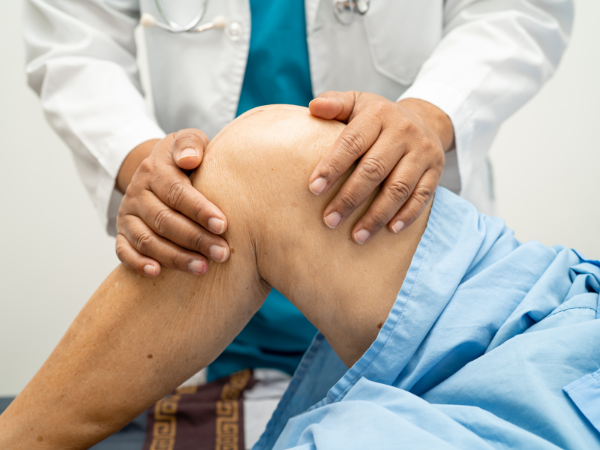
Beyond the acute infection, COVID-19 can cause lingering health issues known as “long COVID.” These include chronic fatigue, brain fog, joint pain, and breathing difficulties that may persist for months. In severe cases, the infection can lead to organ damage or blood clotting complications.
Living with COVID-19
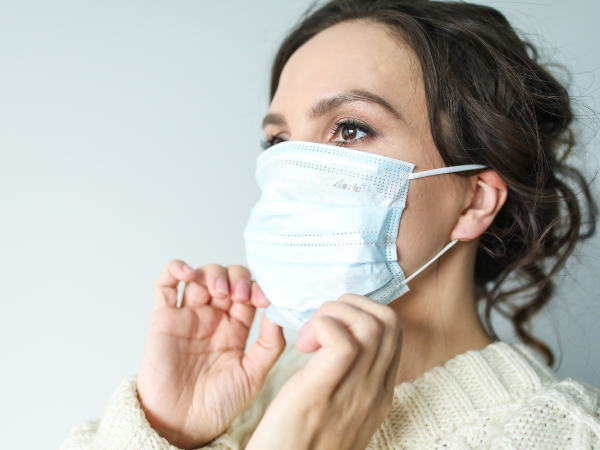
Preventive habits such as maintaining hygiene, wearing masks in crowded places, and staying home when unwell are essential. Building resilience through good nutrition, exercise, and stress control helps strengthen immunity. Awareness and community responsibility remain key to reducing spread and protecting others.
Final Thought
COVID-19 has taught the world the importance of collective responsibility, health awareness, and adaptability. While the virus continues to evolve, consistent preventive measures, timely testing, and supportive care can reduce its impact. Staying informed and cautious not only protects individual health but also helps ensure the safety of entire communities.