

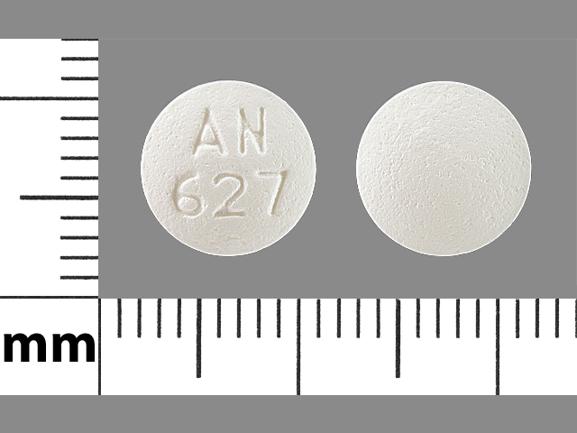

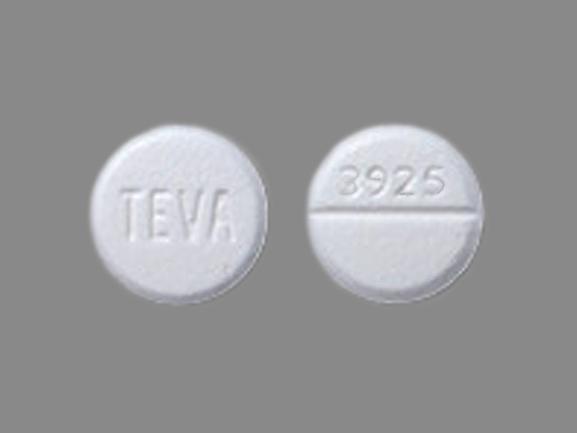
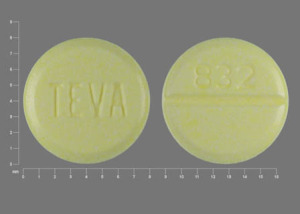
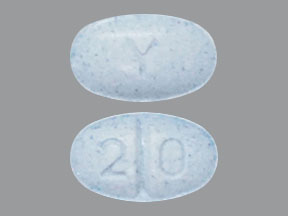

Overview
Dɪlɑᴜdɪd is the brand name for Hʏdroʍorpʜonɛ, a powerful opioid pain medication. It is prescribed to treat moderate to severe pain that cannot be controlled with non-opioid pain relievers. Dɪlɑᴜdɪd acts directly on the central nervous system (CNS) to alter the way the body and brain perceive pain.
Because of its potency, Dɪlɑᴜdɪd is classified as a Schedule II controlled substance in most countries. This means it carries a high risk for addiction, misuse, and dependence, even when used exactly as prescribed. Each strength — 1 mg, 2 mg, 4 mg, and 8 mg — is designed for a specific level of pain management and must only be taken under a doctor’s close supervision.
What Is Dɪlɑᴜdɪd Used For?
Dɪlɑᴜdɪd is prescribed for:
- Acute pain after surgery or serious injury
- Chronic pain in cancer patients or others requiring long-term opioid therapy
- Severe pain that does not respond to weaker analgesics
It may also be used in a hospital setting for short-term relief after major surgery or trauma, or in palliative care when constant pain relief is necessary.
Important Warnings
- Respiratory depression: Dɪlɑᴜdɪd can slow or stop breathing, especially during the first few doses or after a dosage increase.
- Addiction and dependence: Misuse of Dɪlɑᴜdɪd, even once, can lead to addiction, overdose, or death.
- Do not crush or chew: Swallow tablets whole. Crushing or chewing can cause a potentially fatal rapid release of the entire dose.
- Avoid alcohol and sedatives: Combining Dɪlɑᴜdɪd with alcohol or other CNS depressants increases the risk of death.
- Pregnancy and newborn withdrawal: Using this medication during pregnancy can cause life-threatening withdrawal symptoms in a newborn baby.
Before Using Dɪlɑᴜdɪd
You should not take Dɪlɑᴜdɪd if you have:
- Severe breathing problems or sleep apnea
- A blockage in your stomach or intestines
- An allergy to Hʏdroʍorpʜonɛ or similar opioids
Tell your doctor if you have liver or kidney problems, thyroid or adrenal disorders, mental illness, or a history of drug or alcohol addiction.
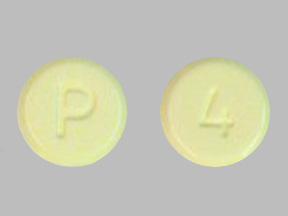
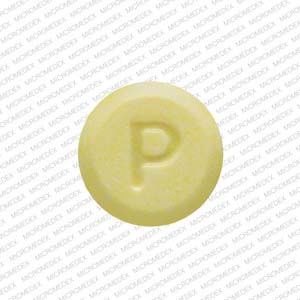
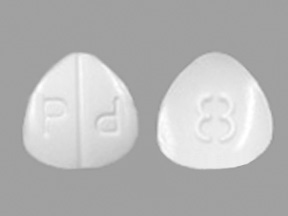
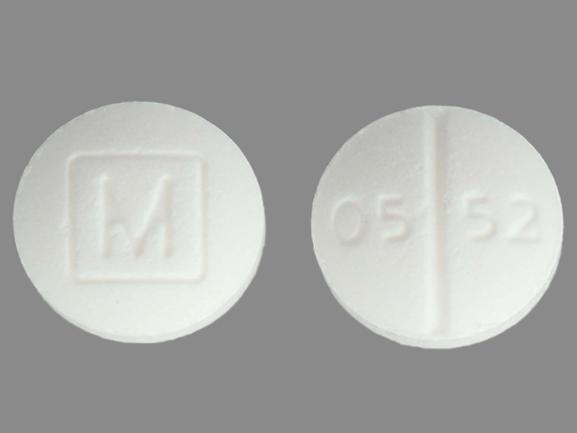
Dɪlɑᴜdɪd 1 mg
The 1 mg strength of Dɪlɑᴜdɪd is typically used as a starting dose in opioid-sensitive patients or as a liquid formulation for careful titration. It provides effective pain relief for moderate pain but must be dosed precisely.
How It Works
At 1 mg, Hʏdroʍorpʜonɛ binds to opioid receptors in the brain and spinal cord, reducing the perception of pain and emotional response to it.
Administration
- Usually given orally as a liquid or tablet.
- Doses are taken every 4–6 hours as needed.
- Always measure liquid medicine with a proper measuring device.
Possible Side Effects
- Drowsiness and dizziness
- Nausea, constipation, dry mouth
- Lightheadedness, mild itching, or flushing
Because this is a lower strength, it’s often used to initiate therapy, but even 1 mg can cause respiratory depression in sensitive individuals.
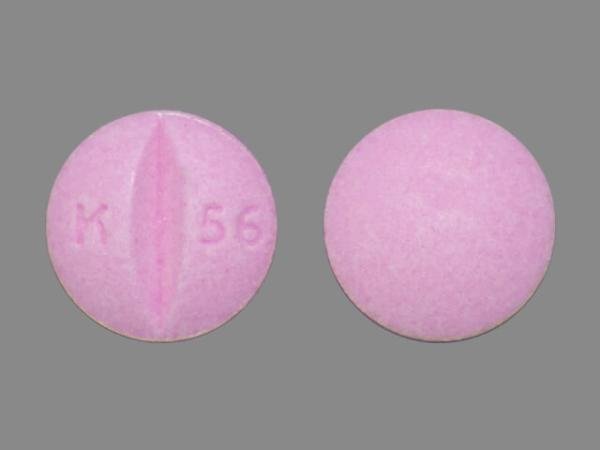
Dɪlɑᴜdɪd 2 mg
The 2 mg tablet is one of the most commonly prescribed doses for moderate to severe pain. It provides fast relief and is often used for postoperative or breakthrough pain.
How It Works
Hʏdroʍorpʜonɛ at 2 mg delivers a stronger analgesic effect and acts within 15–30 minutes of ingestion, lasting about 4–5 hours.
Administration
- Take the tablet whole with water.
- Do not crush or chew.
- Dosing frequency is every 4–6 hours depending on pain intensity.
Key Precautions
- Avoid combining with alcohol or sedatives.
- Do not exceed the prescribed dose.
- If you feel unusually sleepy or have slowed breathing, seek immediate medical help.
Common Side Effects
- Nausea, vomiting
- Constipation
- Drowsiness or dizziness
- Headache or sweating
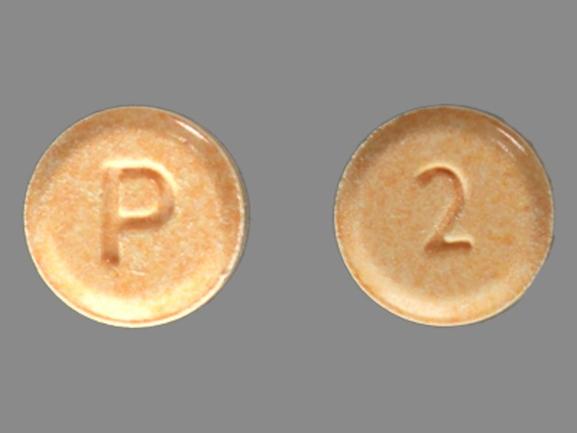
Dɪlɑᴜdɪd 4 mg
The 4 mg strength is prescribed for patients who require a stronger opioid dose or are already tolerant to lower Hʏdroʍorpʜonɛ levels. It’s often part of a step-up regimen under physician supervision.
How It Works
Dɪlɑᴜdɪd 4 mg provides a more potent analgesic response and is suited for severe pain conditions such as postoperative recovery, severe arthritis, or cancer-related pain.
Administration
- Typically taken every 4–6 hours as needed for pain relief.
- Tablets must be swallowed whole.
- Never attempt to adjust the dose yourself.
Risks and Side Effects
- Greater risk of respiratory depression, especially in opioid-naïve individuals.
- May cause extreme drowsiness, confusion, or low blood pressure.
- Long-term use can lead to tolerance and dependence.
Doctor’s Advice
At this strength, Dɪlɑᴜdɪd should only be used if you are already opioid-tolerant or have significant chronic pain that cannot be managed with lower doses.
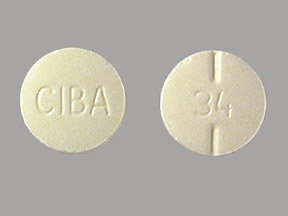
Dɪlɑᴜdɪd 8 mg
The 8 mg tablet is one of the highest immediate-release strengths available and is reserved for severe pain in opioid-tolerant patients. It delivers powerful pain relief but carries the highest risk of side effects and overdose.
How It Works
At this dosage, Hʏdroʍorpʜonɛ binds intensely to CNS opioid receptors, providing profound pain relief. It’s commonly prescribed for late-stage cancer pain, major trauma, or postoperative recovery when other opioids fail.
Administration
- Take exactly as directed by your physician.
- Do not take more than prescribed or increase frequency without approval.
- Swallow tablets whole; never crush or split them.
Dangers of Misuse
Even one accidental overdose can be fatal. Misuse can cause slow breathing, loss of consciousness, and death. Keep the medicine out of reach of others.
Possible Side Effects
- Extreme drowsiness or sedation
- Confusion, shallow breathing
- Low blood pressure or fainting
- Severe constipation or stomach pain
Missed Dose and Overdose Information
If you miss a dose and it’s almost time for the next one, skip the missed dose. Never double up to make up for a missed tablet.
Overdose symptoms include slow or stopped breathing, cold skin, pinpoint pupils, extreme drowsiness, and fainting. Seek emergency help immediately if any of these occur.
Things to Avoid While Taking Dɪlɑᴜdɪd
- Alcohol: May intensify sedative effects and lead to death.
- Operating machinery or driving: Dɪlɑᴜdɪd can impair focus and coordination.
- Other opioids or sleeping pills: Combined use increases overdose risk.
Possible Side Effects (All Strengths)
Common effects:
- Constipation
- Nausea, vomiting, stomach pain
- Dizziness, headache, or tiredness
- Sweating and mild itching
Serious effects:
- Difficulty breathing
- Confusion or hallucinations
- Seizures
- Fainting or very slow heartbeat
- Loss of interest in sex, missed menstrual periods
If any severe reaction occurs, stop taking the medication and seek emergency medical care.
Pregnancy, Breastfeeding, and Children
Using Dɪlɑᴜdɪd during pregnancy can cause the baby to become dependent on opioids, leading to withdrawal after birth. Breastfeeding is not recommended, as Hʏdroʍorpʜonɛ passes into breast milk and may harm the infant.
Dɪlɑᴜdɪd is not approved for children unless specifically prescribed in a controlled medical environment.
Storage and Disposal
- Store at room temperature away from light, heat, and moisture.
- Keep in a secure place where others cannot access it.
- Dispose of unused tablets safely through a pharmacy take-back program or by flushing if advised by your pharmacist.
Summary
| Strength | Typical Use | Patient Type | Frequency | Notes |
|---|---|---|---|---|
| 1 mg | Initial dosing or mild pain | Opioid-sensitive | Every 4–6 hrs | Often in liquid form |
| 2 mg | Moderate pain | General use | Every 4–6 hrs | Common short-term dose |
| 4 mg | Severe pain | Opioid-tolerant | Every 4–6 hrs | High potency, caution needed |
| 8 mg | Very severe or chronic pain | Strongly opioid-tolerant | Every 4–6 hrs | Highest immediate-release strength |
Final Advice
Dɪlɑᴜdɪd is a highly effective but extremely potent opioid pain medication. It must be used exactly as prescribed, under strict medical supervision, and never shared with others. Misuse, abuse, or mixing with other sedatives can quickly become fatal. Always follow your doctor’s instructions, and contact your healthcare provider if you experience unusual symptoms or your pain is not adequately controlled.