









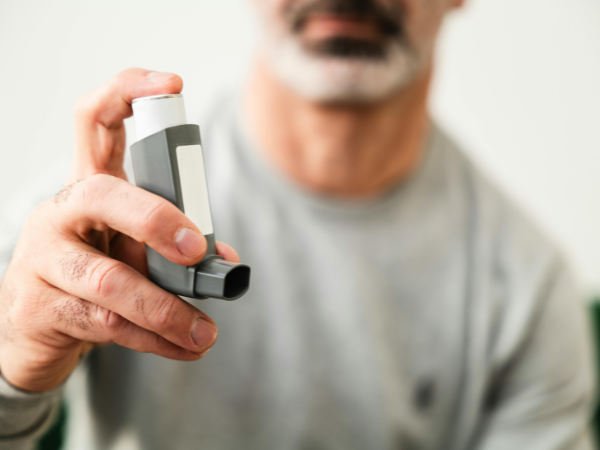


Influenza, commonly known as the flu, is a contagious respiratory illness that affects millions of people worldwide each year. Although often mistaken for the common cold, influenza tends to cause more severe symptoms and can lead to serious complications if not properly managed.
What Is Influenza?
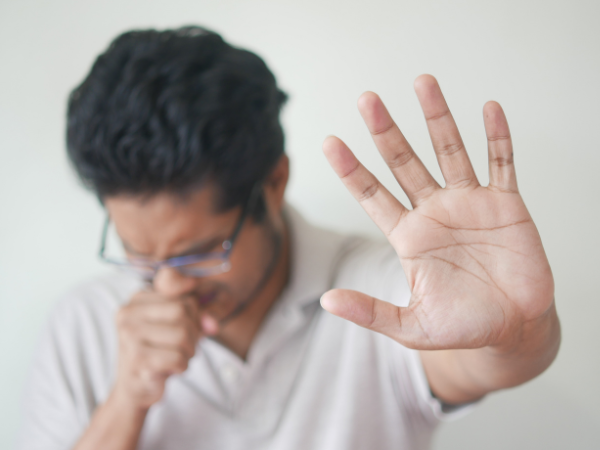
Influenza is caused by flu viruses that infect the nose, throat, and sometimes the lungs. It spreads through tiny droplets released into the air when an infected person coughs, sneezes, or talks. The illness typically appears suddenly and can range from mild to severe.
Common Symptoms
- High fever or chills
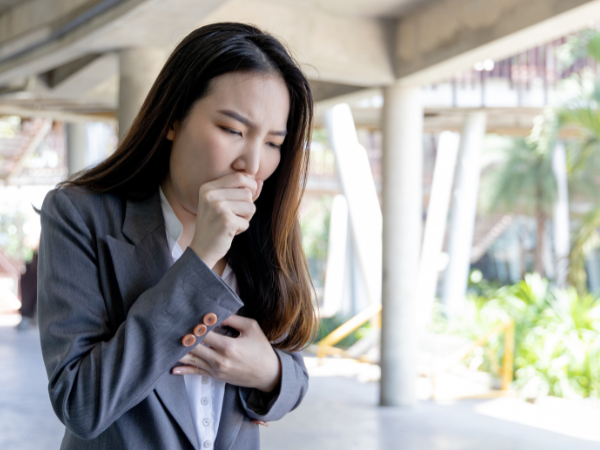
- Sore throat and dry cough
- Muscle aches and joint pain
- Headache and fatigue
- Stuffy or runny nose
- Weakness and loss of appetite
- Occasionally nausea or vomiting
Symptoms often develop within one to four days after exposure and may last up to two weeks, though fatigue can linger longer.
Causes and Risk Factors
Influenza spreads mainly through close contact with infected individuals. Crowded environments, seasonal weather changes, and weakened immunity increase the likelihood of infection. Children, elderly individuals, and those with chronic illnesses are more vulnerable to severe outcomes.
Side Effects and Complications
In most cases, the flu resolves on its own, but complications can arise. These include sinus infections, ear infections, pneumonia, and worsening of existing health conditions. Severe dehydration and exhaustion are also common side effects during recovery.
Living with Influenza
Rest, proper hydration, and light meals support recovery. Avoiding strenuous activity and maintaining good hygiene help prevent spreading the virus to others. Keeping indoor air clean and staying warm can also ease breathing discomfort and throat irritation.
Final Thought
Influenza serves as a reminder of how quickly viral infections can disrupt health and routine. Simple preventive habits—like good hygiene, rest, and balanced nutrition—can significantly reduce the risk of infection. Prioritizing health awareness not only protects individuals but also helps safeguard entire communities.