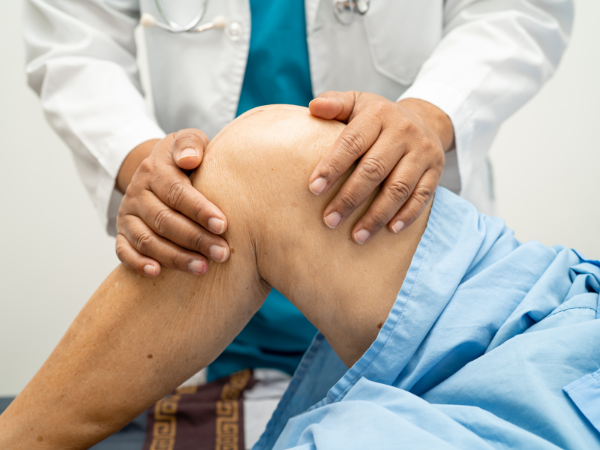

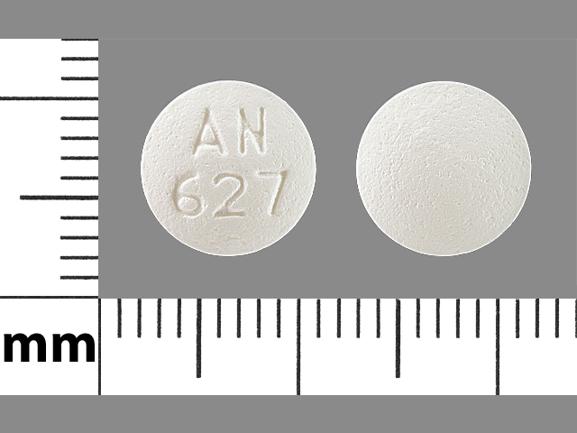













Arthritis is a term used to describe a group of conditions that cause inflammation, pain, and stiffness in the joints. It can affect people of all ages, genders, and backgrounds, although it is more common in older adults. The condition can range from mild discomfort to severe pain that limits daily activities. Over time, arthritis may cause permanent damage to joints, leading to reduced mobility and a decline in overall quality of life. Understanding its causes and early signs can help in managing the condition effectively and preventing complications.
Causes of Arthritis
There are more than 100 different types of arthritis, but the most common are osteoarthritis and rheumatoid arthritis.
- Osteoarthritis occurs when the cartilage that cushions the ends of bones wears down over time, leading to friction and joint pain.
- Rheumatoid arthritis is an autoimmune condition where the immune system mistakenly attacks healthy joint tissue, causing inflammation and swelling.
Other causes include:
- Genetic predisposition or family history
- Joint injuries or repetitive strain
- Obesity, which puts excess pressure on joints
- Infections that affect the joints
- Aging, which naturally weakens cartilage and connective tissue
Symptoms of Arthritis
The symptoms of arthritis depend on the type and severity of the condition, but common signs include:
- Joint pain and tenderness, especially in the knees, hands, hips, and spine
- Stiffness, particularly in the morning or after periods of inactivity
- Swelling and warmth around affected joints
- Decreased range of motion or difficulty moving the joint
- Fatigue or general weakness
Symptoms may come and go or progressively worsen over time, making early recognition important.


Complications and Side Effects
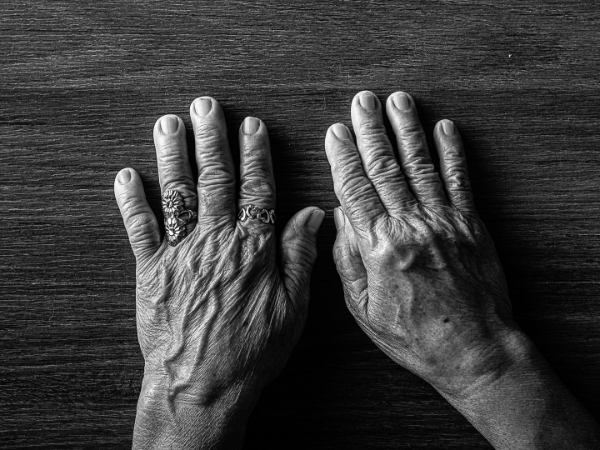
If left unchecked, arthritis can lead to significant complications. Chronic inflammation damages cartilage and bone, leading to deformities and joint instability. It may also affect surrounding muscles and ligaments, causing weakness and imbalance. In severe cases, arthritis can impact mobility, independence, and mental health, leading to anxiety or depression due to ongoing pain. Rheumatoid arthritis, in particular, can affect internal organs like the lungs, heart, or eyes if not controlled.
Prevention and Lifestyle Tips
While arthritis cannot always be prevented, adopting healthy lifestyle habits can greatly reduce the risk and slow its progression.
- Maintain a healthy weight: Reducing extra body weight lessens pressure on weight-bearing joints.
- Stay active: Regular low-impact exercises like swimming, walking, and yoga help keep joints flexible.
- Protect joints: Use proper posture and avoid repetitive motions that strain the joints.
- Eat an anti-inflammatory diet: Include fruits, vegetables, whole grains, and foods rich in omega-3 fatty acids.
- Avoid smoking and limit alcohol: These can increase inflammation and damage joint tissue.
- Get regular checkups: Early detection helps in managing joint health effectively.
Final Thoughts
Arthritis may be a lifelong condition, but with awareness and proactive care, it doesn’t have to define your life. Maintaining a healthy lifestyle, protecting joints, and staying active can greatly improve mobility and comfort. The key lies in consistency — small, daily actions can make a lasting difference in preventing joint damage and preserving independence for years to come.