Hypertension, commonly known as high blood pressure, is a long-term medical condition in which the force of blood against the walls of the arteries is consistently too high. This constant pressure forces the heart to work harder to pump blood throughout the body, which can eventually damage arteries and vital organs such as the heart, kidneys, brain, and eyes. Often called the “silent killer,” hypertension can exist for years without noticeable symptoms but still cause significant harm if left untreated.
Causes of Hypertension
The causes of hypertension can vary depending on lifestyle, genetics, and environmental influences. In many cases, no single cause is identified, but several factors can increase the risk:
- Unhealthy diet: High intake of salt, processed foods, and saturated fats.
- Lack of physical activity: A sedentary lifestyle weakens the heart and blood vessels.
- Obesity: Excess body weight increases strain on the cardiovascular system.
- Stress: Chronic stress releases hormones that raise blood pressure.
- Family history: Genetics play a major role in determining one’s risk.
- Other factors: Smoking, alcohol consumption, and poor sleep quality can also contribute.
Symptoms of Hypertension
Hypertension is often asymptomatic, meaning many people do not realize they have it until complications arise. However, in some cases, the following symptoms may appear:
- Frequent headaches or dizziness
- Blurred vision or nosebleeds
- Fatigue or confusion
- Chest discomfort or irregular heartbeat
These symptoms usually occur when blood pressure reaches dangerously high levels.


Complications and Side Effects
Long-term high blood pressure can damage the walls of arteries, making them less elastic and more prone to narrowing or blockage. This condition increases the risk of serious complications such as heart disease, stroke, kidney failure, and vision loss. Hypertension also affects memory and cognitive function over time. The strain it puts on the heart can eventually lead to heart enlargement and failure if not managed carefully.
Prevention and Lifestyle Tips
The best way to combat hypertension is through consistent lifestyle changes and awareness.
- Reduce salt intake: Avoid processed foods and limit sodium in daily meals.
- Stay active: Engage in at least 30 minutes of physical activity most days of the week.
- Maintain a healthy weight: Losing even a small amount of weight can significantly reduce blood pressure.
- Manage stress: Deep breathing, relaxation exercises, or spending time in nature can help.
- Limit alcohol and quit smoking: Both habits raise blood pressure and damage arteries.
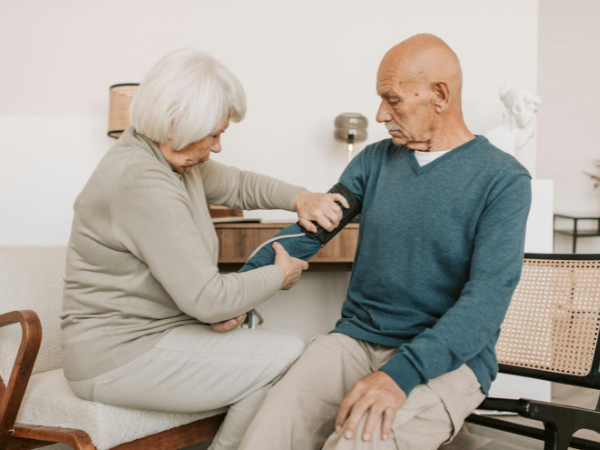
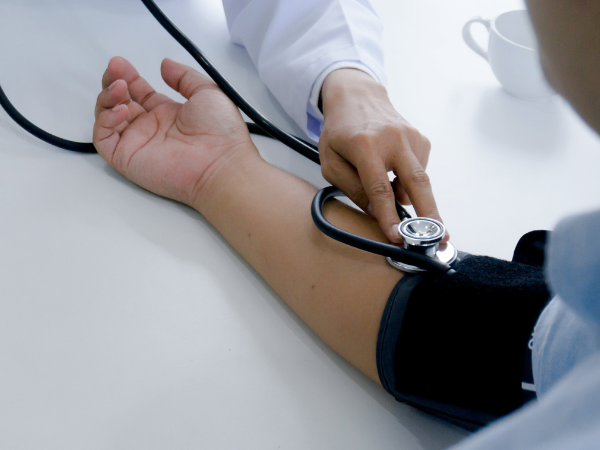
- Get regular checkups: Monitoring blood pressure regularly helps detect issues early.
Final Thoughts
Hypertension is a condition that develops silently but can have deadly consequences if ignored. The key to preventing it lies in awareness, early detection, and healthy daily choices. By adopting a balanced diet, staying active, and managing stress, individuals can protect their heart health and maintain stable blood pressure levels throughout life.