












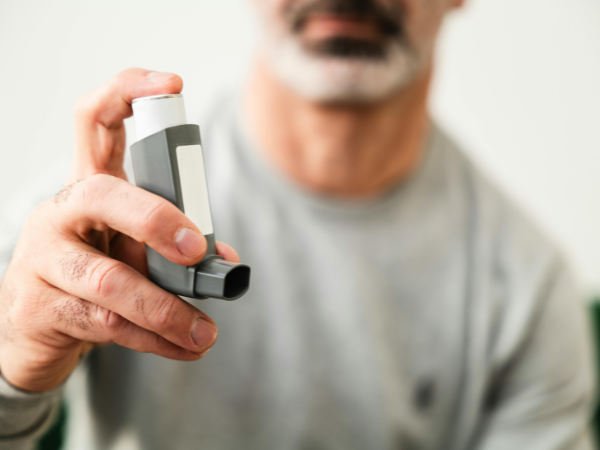


Asthma is a chronic respiratory condition that affects millions of people around the world. It occurs when the airways inside the lungs become inflamed and narrow, making it difficult for air to flow in and out. This narrowing can lead to repeated episodes of wheezing, coughing, and shortness of breath. Asthma can develop at any age, but it often begins in childhood and may continue throughout life. While the severity of asthma differs from person to person, proper awareness and management can help individuals live normal and active lives.
Causes of Asthma
The exact cause of asthma is not fully understood, but it usually develops due to a combination of genetic and environmental factors. People with a family history of allergies or asthma are more likely to develop the condition. Environmental triggers, such as exposure to air pollution, cigarette smoke, pet dander, dust mites, and mold, can irritate the lungs and cause inflammation. Cold air, strong smells, and even stress can also act as triggers. Additionally, respiratory infections during childhood may increase the risk of developing asthma later in life.
Symptoms of Asthma
Asthma symptoms vary in intensity and frequency. Common signs include:
- Wheezing or whistling sound while breathing
- Persistent coughing, especially at night or early morning
- Shortness of breath during physical activity
- Chest tightness or pressure
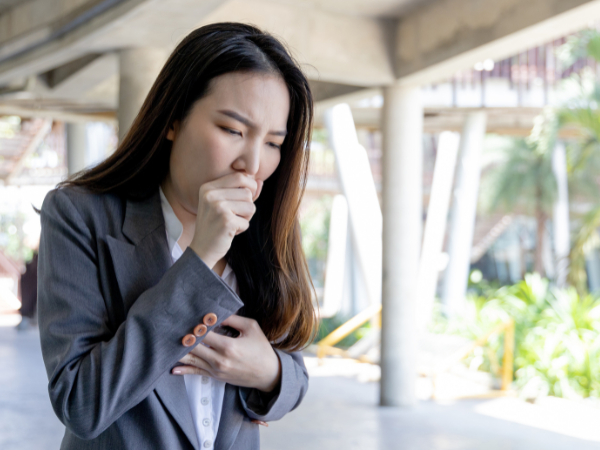
These symptoms may come and go, but in some cases, they can become severe and require immediate attention. Asthma attacks often worsen when exposed to triggers or during weather changes.

Complications and Side Effects
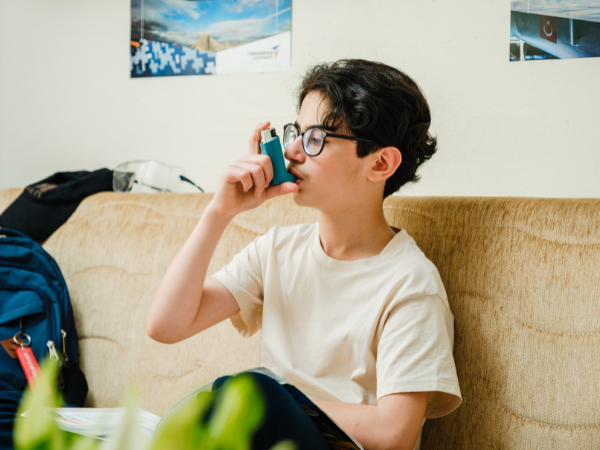
If asthma is not managed properly, it can lead to several complications. Chronic inflammation in the airways can cause long-term damage, making breathing increasingly difficult. Frequent asthma attacks can reduce lung function, interfere with sleep, and limit daily activities. In severe cases, it may result in hospitalization due to breathing difficulties. Moreover, people with uncontrolled asthma often experience anxiety and stress because of the unpredictability of attacks.
Prevention and Lifestyle Tips
Although asthma cannot always be completely prevented, certain lifestyle habits can reduce its frequency and intensity.
- Avoid known triggers: Stay away from dust, smoke, and strong fragrances.
- Maintain clean surroundings: Regular cleaning helps remove allergens such as dust mites and pet hair.
- Stay active: Gentle exercises like walking, swimming, or yoga can strengthen the lungs.
- Manage stress: Breathing exercises and meditation help control stress, which can otherwise worsen symptoms.
- Monitor air quality: Avoid going outdoors when pollution or pollen levels are high.
Final Thoughts
Living with asthma requires awareness and self-care. Recognizing your triggers, maintaining a healthy lifestyle, and monitoring your breathing can go a long way in controlling the condition. By taking preventive measures and staying informed, individuals with asthma can lead a comfortable and fulfilling life.