

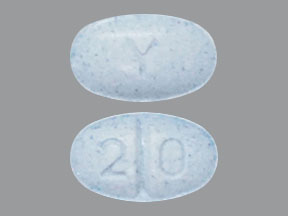
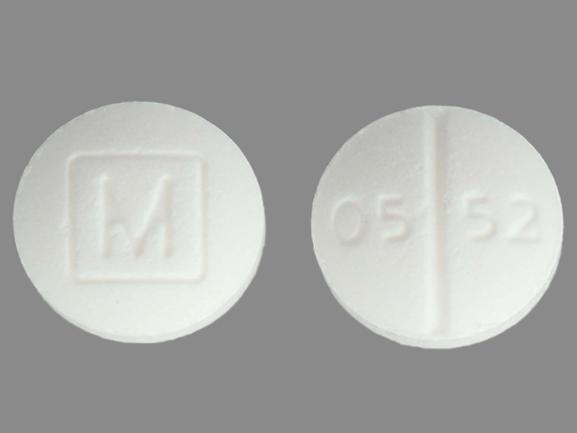
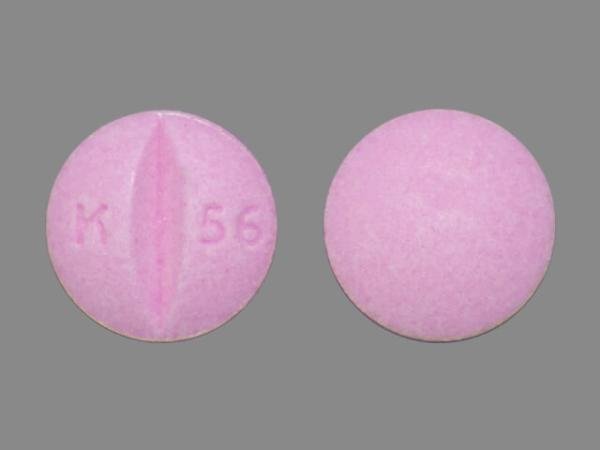
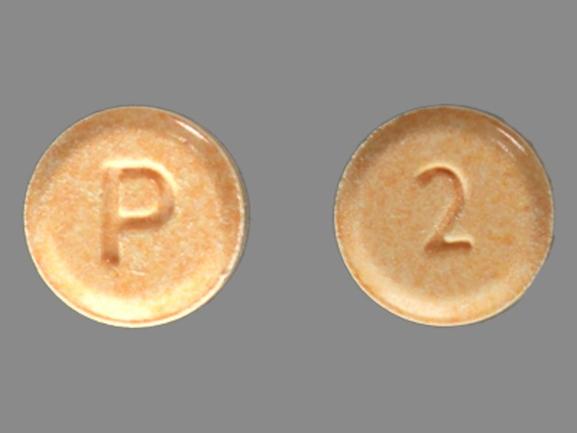

Overview
Rɪtɑʟɪn is a prescription medication that belongs to a class of drugs called central nervous system stimulants. Its active ingredient, M℮thƴℓphεnɩdαtε, works by affecting certain chemicals in the brain and nerves that contribute to hyperactivity and impulse control.
Rɪtɑʟɪn is primarily prescribed to manage Attention Deficit Disorder (ADD), Attention Deficit Hyperactivity Disorder (ADHD), and narcolepsy. It helps improve focus, attention span, and behavior control in children and adults with ADHD.
This medication should always be used as part of a comprehensive treatment plan that may include behavioral therapy, counseling, or educational support.
Important Warnings
Rɪtɑʟɪn is a controlled substance due to its high potential for abuse and dependence. Misuse of M℮thƴℓphεnɩdαtε can lead to addiction, overdose, or even death. Always take it exactly as prescribed by your doctor and keep it in a secure place away from others.
Stimulant medications, including Rɪtɑʟɪn, have been associated with serious cardiovascular risks, such as stroke, heart attack, or sudden death, particularly in individuals with existing heart problems or high blood pressure.
Rɪtɑʟɪn may also cause new or worsening mental health symptoms, including paranoia, aggression, or hallucinations, especially in people with a history of mental illness, bipolar disorder, or depression.
If you experience chest pain, shortness of breath, irregular heartbeat, or sudden mood or behavior changes, contact your doctor immediately.
Before Taking Rɪtɑʟɪn
You should not take Rɪtɑʟɪn if you are allergic to M℮thƴℓphεnɩdαtε or if you have:
- Glaucoma
- Severe high blood pressure or heart disease
- Overactive thyroid
- A personal or family history of tics or Tourette’s syndrome
- Severe anxiety, tension, or agitation
Avoid using Rɪtɑʟɪn if you have taken MAO inhibitors (such as isocarboxazid, phenelzine, or selegiline) within the past 14 days, as dangerous interactions may occur.
Tell your doctor if you have or have ever had:
- Heart problems or congenital heart defects
- High blood pressure or irregular heartbeats
- A history of mental illness, depression, or suicidal thoughts
- Seizure disorders or epilepsy
- Digestive issues like esophageal or intestinal blockages
- Alcohol or substance abuse history
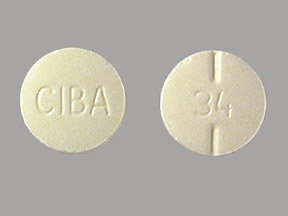
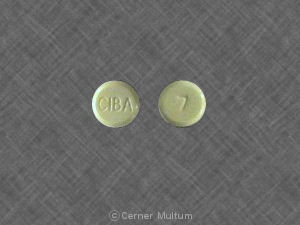
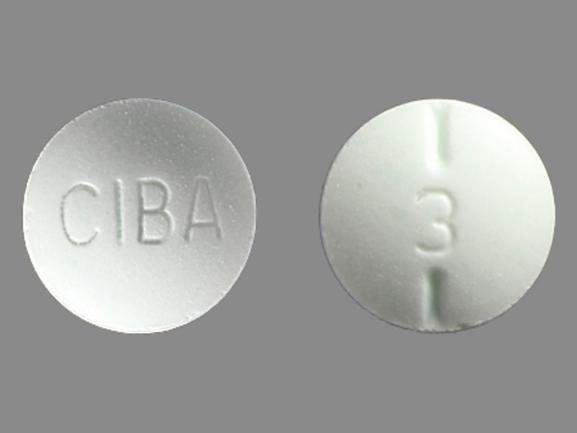
Pregnancy and Breastfeeding
Using Rɪtɑʟɪn during pregnancy can sometimes cause premature birth or low birth weight. Inform your doctor if you are pregnant or planning to become pregnant.
Rɪtɑʟɪn can pass into breast milk, and breastfeeding while on this medication may cause irritability or sleep problems in infants. Consult your doctor before breastfeeding.
How to Take Rɪtɑʟɪn
Always take Rɪtɑʟɪn exactly as prescribed. Follow your prescription label carefully.
- Immediate-release tablets (Rɪtɑʟɪn IR): Usually taken 2–3 times per day, about 30–45 minutes before meals.
- Extended-release capsules (Rɪtɑʟɪn LA): Taken once daily in the morning, with or without food.
If swallowing the capsule is difficult, you may open it and mix the contents with soft food like applesauce or yogurt. Swallow immediately without chewing.
Do not crush, chew, or break extended-release tablets, as this can release the entire dose at once, increasing the risk of side effects or overdose.
Your doctor may periodically adjust your dose based on response and tolerance, and occasionally stop treatment to evaluate your condition.
Dosage Information
Adults with ADHD
- Immediate-Release (IR): 20–30 mg per day divided into 2–3 doses, taken before meals.
- Extended-Release (ER): May replace IR tablets with equivalent doses (e.g., 20 mg every 8 hours).
- Maximum dose: 60 mg per day.
Adults with Narcolepsy
- Same dosage as for ADHD — typically 20–30 mg daily, divided into 2–3 doses.
- Maximum dose: 60 mg per day.
Children (6 years and older)
- Initial dose: 2.5–5 mg twice daily (before breakfast and lunch).
- Increase gradually by 5–10 mg weekly based on response.
- Maximum dose: 60 mg per day.
For Rɪtɑʟɪn LA, the typical starting dose is 10–20 mg once daily in the morning. Dose adjustments are made weekly until optimal response is achieved.
Missed Dose
If you miss a dose, take it as soon as you remember. Skip it if it’s almost time for the next dose. Do not double up on doses.
Overdose
An overdose of Rɪtɑʟɪn can be life-threatening.
Symptoms may include:
- Rapid heartbeat or high blood pressure
- Confusion, agitation, or hallucinations
- Muscle tremors or seizures
- Nausea, vomiting, or diarrhea
- Fainting or coma
If overdose is suspected, seek emergency medical help immediately.
Things to Avoid
- Avoid drinking alcohol, as it can interfere with the drug’s release and increase side effects.
- Avoid driving or operating heavy machinery until you know how the medication affects you.
Possible Side Effects
Common Side Effects
- Nervousness or anxiety
- Insomnia or restlessness
- Headache or dizziness
- Loss of appetite and weight loss
- Stomach pain, nausea, or vomiting
- Fast heartbeat or palpitations
Serious Side Effects
Stop using Rɪtɑʟɪn and call your doctor immediately if you experience:
- Chest pain or irregular heartbeat
- Sudden shortness of breath
- Hallucinations or paranoia
- Pain, numbness, or color changes in fingers or toes
- Prolonged or painful erections (lasting 4 hours or more)
- Signs of serotonin syndrome (fever, agitation, sweating, muscle stiffness, or confusion)
Children taking Rɪtɑʟɪn should have their height and weight monitored regularly, as M℮thƴℓphεnɩdαtε may affect growth.
Drug Interactions
Rɪtɑʟɪn may interact with other medications, including:
- Blood pressure medicines
- Blood thinners (such as warfarin)
- Antidepressants or antipsychotics
- Seizure medications
- Cold or allergy medicines containing decongestants
Always tell your doctor about all prescription, over-the-counter, or herbal supplements you are taking before starting Rɪtɑʟɪn .
Storage and Disposal
Store Rɪtɑʟɪn at room temperature, away from heat, light, and moisture.
Keep it out of reach of children and others. Dispose of unused medication through a pharmacy take-back program or by mixing it with cat litter or coffee grounds in a sealed plastic bag before discarding.
Quick Facts Summary
| Category | Details |
|---|---|
| Generic Name | M℮thƴℓphεnɩdαtε |
| Brand Name | Rɪtɑʟɪn |
| Drug Class | CNS Stimulant |
| Primary Uses | ADHD, ADD, Narcolepsy |
| Controlled Substance | Schedule II |
| Typical Dose Range | 10–60 mg per day |
| Route | Oral (tablet or capsule) |
| Risk | Addiction, cardiovascular events, mental health changes |
| Age Limit | Not for children under 6 years |
Disclaimer
This information is provided for educational purposes only and should not replace medical advice from your doctor. Always consult your healthcare provider before starting, changing, or stopping any medication.