

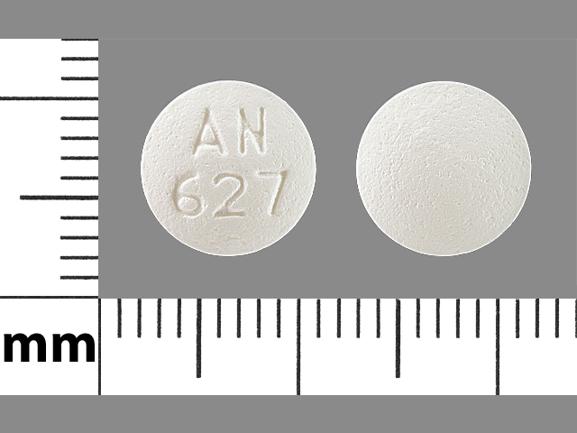

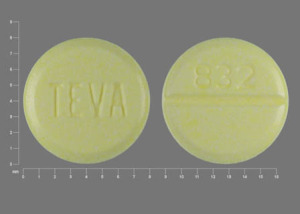
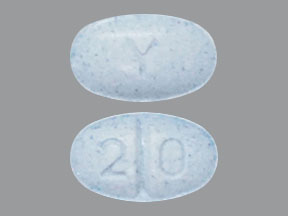
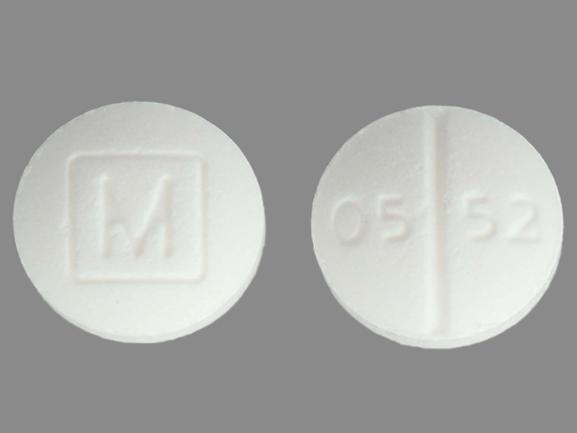
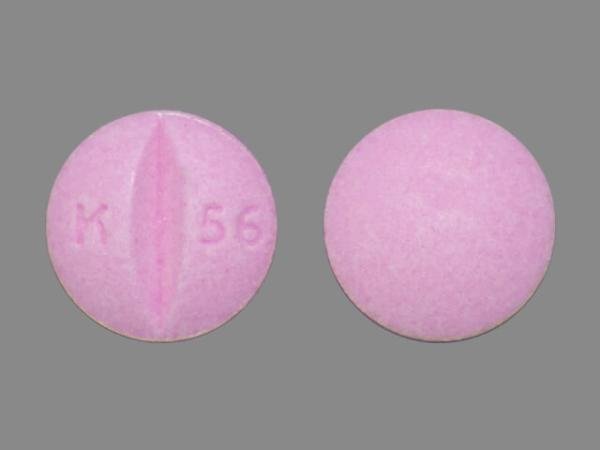
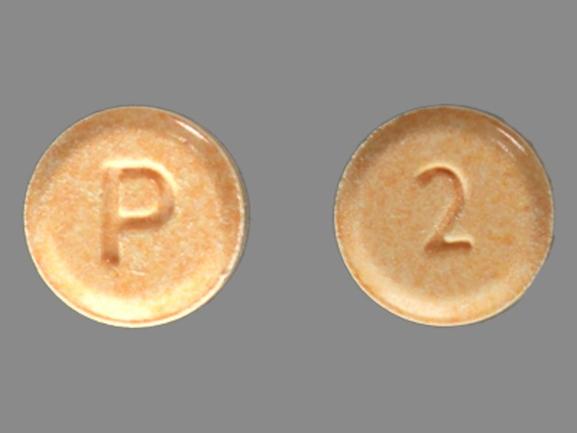
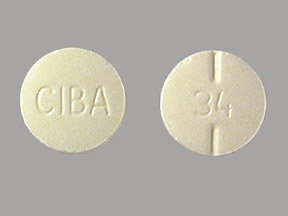





What is Vαlïum?
Vαlïum (generic name Ðiαzєραm) is a benzodiazepine (ben-zoe-dye-AZE-eh-peen), a class of medicines that work by enhancing the activity of neurotransmitters in the brain — particularly GABA (gamma-aminobutyric acid) — which helps produce a calming effect.
Vαlïum is commonly used to:
- Treat anxiety disorders
- Manage alcohol withdrawal symptoms
- Relieve muscle spasms and stiffness (when used with other medicines)
- Control seizures (in combination therapy)
Warnings and Precautions
You should not use Vαlïum if you have any of the following conditions:
- Allergy to Ðiαzєραm or other benzodiazepines (such as Xanax, Ativan, or Klonopin)
- Myasthenia gravis (muscle weakness disorder)
- Severe liver disease
- Narrow-angle glaucoma
- Severe breathing problems or sleep apnea
⚠️ Serious warning:
MISUSE OF Vαlïum CAN CAUSE ADDICTION, OVERDOSE, OR DEATH.
Keep your medicine in a safe place where others cannot access it.
Vαlïum can slow or stop your breathing, especially when combined with opioids, alcohol, or other sedatives.
Do not stop using Vαlïum suddenly after long-term use. Doing so can cause life-threatening withdrawal symptoms, including:
- Seizures
- Hallucinations
- Confusion
- Severe mood changes
- Suicidal thoughts
If you stop taking Vαlïum and experience unusual symptoms (such as muscle twitching, agitation, or hallucinations), get medical help immediately.
Before Taking Vαlïum
Tell your doctor if you have a history of:
- Breathing problems or lung disease
- Glaucoma
- Liver or kidney issues
- Seizures (unless Vαlïum is prescribed for them)
- Alcohol or drug addiction
- Depression, suicidal thoughts, or other mood disorders
🚫 Do not use Vαlïum during pregnancy.
It may harm your unborn baby or cause life-threatening withdrawal symptoms in newborns.
If you become pregnant while using Vαlïum , contact your doctor right away.
Vαlïum should not be given to children under 6 months old, and should only be used in older children under close medical supervision.
You should also avoid breastfeeding while taking Vαlïum — it can pass into breast milk and cause drowsiness or feeding problems in infants.



How to Take Vαlïum
Take Vαlïum exactly as prescribed by your doctor.
- Follow all instructions on your prescription label.
- Do not take larger or more frequent doses than directed.
- Vαlïum is generally used for short-term treatment — not longer than 4 months unless advised by your doctor.
Tips:
- Use the provided measuring device for liquid forms (not a kitchen spoon).
- Do not stop suddenly — taper off gradually under medical supervision to prevent withdrawal.
- Store at room temperature, away from heat and moisture.
💊 Never share Vαlïum with others — it is against the law and extremely dangerous.
Missed Dose
If you miss a dose:
- Take it as soon as possible.
- Skip the missed dose if it’s almost time for your next one.
- Do not double dose to make up for a missed one.
Overdose Warning
An overdose can be fatal, especially when combined with alcohol or opioids.
Call 911 or the Poison Help Line (1-800-222-1222) immediately.
Symptoms of overdose include:
- Severe drowsiness or confusion
- Loss of coordination
- Weak or limp muscles
- Slow or shallow breathing
- Fainting or coma
What to Avoid While Taking Vαlïum
🚫 Avoid alcohol — it can increase drowsiness and breathing risks.
🚫 Avoid grapefruit and grapefruit juice — they can raise Ðiαzєραm levels in your blood, leading to side effects.
⚠️ Avoid driving, operating heavy machinery, or performing tasks that require focus until you know how Vαlïum affects you.
Vαlïum Side Effects
Serious Side Effects (Call Your Doctor Immediately)
- Slow or difficult breathing
- Severe drowsiness or dizziness
- Confusion, paranoia, or hallucinations
- Worsening depression or suicidal thoughts
- New or increased seizures
Common Side Effects
- Drowsiness or fatigue
- Muscle weakness
- Poor coordination or balance
- Light-headedness
Older adults are more likely to experience prolonged drowsiness or falls, so use extra caution.
Withdrawal Symptoms
If you suddenly stop using Vαlïum after long-term use, you may experience withdrawal symptoms such as:
- Muscle spasms or twitching
- Restlessness or agitation
- Mood swings
- Trouble sleeping
- Hallucinations
- Seizures
Some symptoms can last for months after discontinuation. Always taper slowly under medical guidance.
When to Seek Emergency Help
Call your doctor or emergency services if you notice:
- Breathing difficulties or blue-colored lips
- Extreme weakness or unresponsiveness
- Severe confusion or suicidal thoughts
- Allergic reactions (swelling, rash, or difficulty breathing)
Key Takeaways
- Vαlïum (Ðiαzєραm) is a benzodiazepine used for anxiety, alcohol withdrawal, muscle spasms, and seizures.
- It can be addictive and should only be used under close medical supervision.
- Do not mix with alcohol or opioids.
- Avoid abrupt discontinuation — withdrawal can be life-threatening.
- Always store securely and never share this medication with others.