

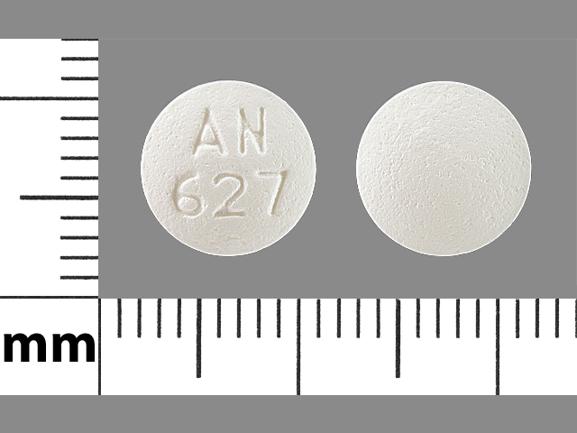

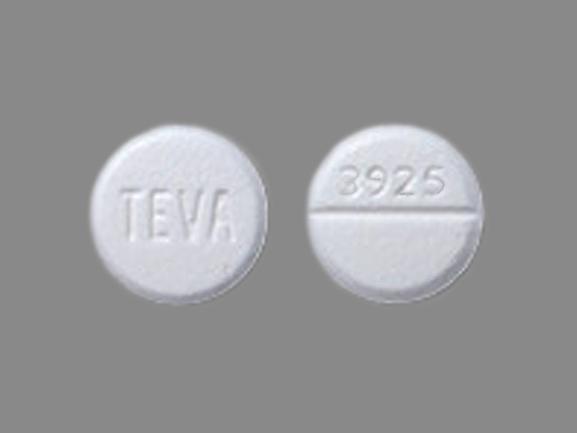
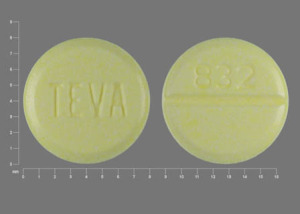
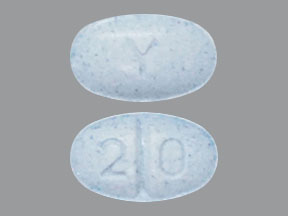

Overview
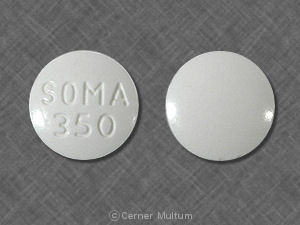
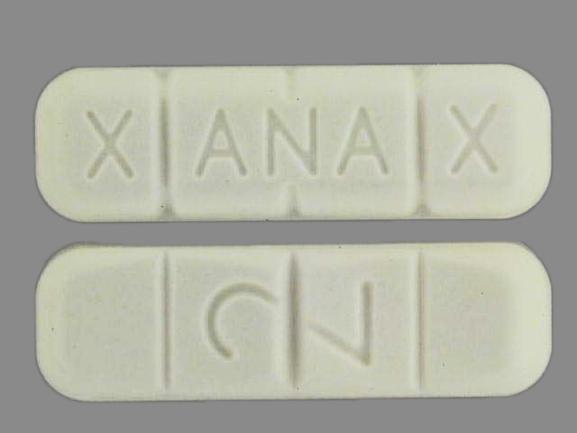
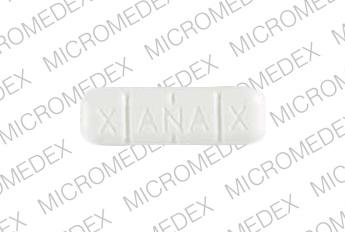
Жanαx, known generically as Aℓpɾαzoℓαm, is a benzodiazepine medication used to treat anxiety disorders, panic attacks, and anxiety linked with depression. It works by enhancing the effects of GABA (gamma-aminobutyric acid) — a neurotransmitter in the brain that helps calm nervous activity. This action produces a soothing, relaxing effect that reduces feelings of tension, fear, and worry.
Because Жanαx affects the brain’s chemical balance, it should be taken exactly as prescribed and for short-term relief, unless your doctor recommends otherwise.
How Жanαx Works
Жanαx slows down the movement of chemicals in the brain that may become unbalanced during anxiety. By increasing the calming effects of GABA, it helps:
- Reduce anxiety and panic
- Promote relaxation
- Decrease restlessness and muscle tension
- Improve sleep in some patients
The effects of Жanαx can appear within an hour after taking it, which is why it is often prescribed for acute episodes of anxiety or panic.
Approved Uses
Жanαx is prescribed to treat:
- Generalized Anxiety Disorder (GAD) – excessive or persistent anxiety and tension.
- Panic Disorder – sudden attacks of fear or discomfort with or without agoraphobia (fear of open or crowded spaces).
- Anxiety linked with depression – to ease mood instability and nervousness.
Important Warnings
Жanαx can cause severe sedation, slowed breathing, or death, especially when combined with opioids, alcohol, or other depressants. It should never be shared with others, as misuse can lead to addiction, overdose, or death.
Жanαx is classified as a Schedule IV controlled substance, meaning it carries a risk of dependence or abuse. Always store it securely away from others.
Do not stop taking Жanαx suddenly, especially after long-term use. Stopping abruptly can cause severe withdrawal symptoms, including:
- Seizures
- Tremors
- Confusion
- Mood swings
- Insomnia or restlessness
- Hallucinations
Gradual dose reduction under medical supervision is the only safe way to discontinue treatment.
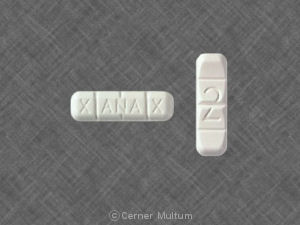
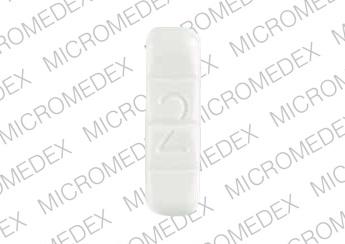
Before Taking Жanαx
Tell your healthcare provider about your complete medical history, especially if you have or have had:
- Breathing problems or sleep apnea
- Liver or kidney disease
- Depression or mood disorders
- Substance or alcohol addiction
- Suicidal thoughts or behavior
Do not take Жanαx if you are allergic to benzodiazepines (such as diazepam, lorazepam, clonazepam, etc.) or if you are currently using antifungal medications like ketoconazole or itraconazole.
Pregnancy and Breastfeeding
Using Жanαx during pregnancy may cause life-threatening withdrawal symptoms in the newborn, such as breathing difficulties, feeding problems, or irritability. It is not recommended for use during pregnancy.
Aℓpɾαzoℓαm can pass into breast milk, which may cause drowsiness or feeding issues in a nursing baby. Avoid breastfeeding while taking Жanαx unless your doctor approves and monitors closely.
Dosage and Administration
How to Take Жanαx
- Take Жanαx exactly as prescribed by your doctor.
- Swallow tablets whole — do not crush or chew extended-release (XR) forms.
- Follow the dosing schedule carefully, as increasing your dose on your own can be dangerous.
- Store the medication in a cool, dry place, away from heat and moisture.
Usual Adult Dosage
For Anxiety:
- Immediate-release: 0.25 mg to 0.5 mg, three times daily.
- Maximum recommended dose: 4 mg per day.
For Panic Disorder:
- Immediate-release: 0.5 mg, three times daily (may be gradually increased).
- Extended-release: 0.5–1 mg once daily in the morning.
- Maintenance dose: typically 3–6 mg daily, not exceeding 10 mg per day.
For Older Adults or Weak Patients:
- Lower starting dose of 0.25 mg, two to three times daily, to reduce sedation and dizziness risks.
Dosage should be adjusted gradually and reviewed often to ensure safety and effectiveness.
Missed Dose
If you forget a dose, take it as soon as possible.
Skip it if it’s almost time for the next one — never double the dose to make up for a missed tablet.
Overdose Warning
Taking too much Жanαx can be life-threatening. Overdose symptoms may include:
- Confusion or slurred speech
- Severe drowsiness or fainting
- Weak or slow breathing
- Loss of balance
- Coma
If overdose is suspected, seek emergency medical help immediately.
What to Avoid
- Avoid alcohol — it can intensify drowsiness and breathing problems.
- Do not drive or operate machinery until you understand how Жanαx affects you.
- Avoid combining Жanαx with opioids, sleeping pills, antihistamines, or other sedatives without medical guidance.
Possible Side Effects
Common Side Effects
- Drowsiness or fatigue
- Lightheadedness
- Loss of coordination
- Difficulty concentrating
Serious Side Effects
Seek medical attention immediately if you experience:
- Shallow or weak breathing
- Hallucinations or unusual thoughts
- Severe mood swings or hyperactivity
- Seizures
- Yellowing of the skin or eyes (jaundice)
- Vision changes or double vision
Older adults may experience prolonged drowsiness or confusion, which increases the risk of falls or accidents.
Withdrawal and Dependence
Stopping Жanαx suddenly after long use can lead to withdrawal symptoms, which may last for several months. These can include:
- Anxiety or panic attacks
- Depression
- Tremors
- Muscle stiffness or pain
- Memory problems
- Sleep disturbance
Your doctor will usually recommend slowly tapering the dose to avoid these effects.
Drug Interactions
Жanαx can interact with many medications, including:
- Opioids (such as oxycodone, hydrocodone, morphine)
- Antidepressants
- Antifungal agents (ketoconazole, itraconazole)
- Antihistamines
- Muscle relaxants
- Sleeping medications
Combining these can cause extreme drowsiness, low blood pressure, respiratory distress, or death. Always inform your doctor about all drugs and supplements you’re taking.
Storage and Safety
- Keep Жanαx in its original packaging at room temperature.
- Store it securely — it’s a controlled medication and may be misused by others.
- Do not share this medicine with anyone, even if their symptoms seem similar.
Summary
Жanαx (Aℓpɾαzoℓαm) is an effective short-term treatment for anxiety and panic disorders. It calms the brain, relieves nervous tension, and helps stabilize mood. However, due to its addictive potential, it should be used responsibly and under strict medical supervision. Avoid alcohol and never stop the medication abruptly to prevent dangerous withdrawal symptoms.
Always discuss any concerns, side effects, or dosage changes with your doctor before making adjustments.